Introduction: Packing for the Land of the Long White Cloud
Preparing for a journey to New Zealand is an exercise in anticipating the unexpected. Renowned for its dramatic landscapes, pristine fjords, and volcanic plateaus, Aotearoa also holds a lesser-known reputation among seasoned travelers: the ability to experience “four seasons in one day.” You might find yourself basking in the sun on an golden Abel Tasman beach in the morning, only to face crisp, alpine winds near Mount Cook by mid-afternoon.
Whether you have booked an extensive multi-day excursion or a series of curated day trips, packing smart is the secret to staying comfortable, safe, and focused on the breathtaking scenery around you. This comprehensive guide breaks down exactly what needs to go into your suitcase, covering everything from tech essentials to the golden rules of layering.
1. The Golden Rule of New Zealand Travel: Layering
Before diving into individual items, it is vital to understand the philosophy of dressing for New Zealand’s climate. Because weather conditions shift rapidly due to the country’s maritime position and mountainous terrain, heavy, rigid garments are rarely practical. Instead, your wardrobe should rely on high-quality layers that can be quickly added or removed.
The Base Layer: Moisture-Wicking and Odor-Resistant
Your base layer rests directly against your skin, and its primary job is regulating body temperature and pulling moisture away from your body.
- Merino Wool: New Zealand is famous for its merino sheep, and for good reason. Merino wool is incredibly soft, highly breathable, regulates temperature flawlessly, and naturally resists odor for days. Pack at least three merino t-shirts and two long-sleeve thermal tops.
- Synthetic Alternates: High-quality polyester or nylon tech shirts work well if you are sensitive to wool, but avoid standard cotton tops. Cotton traps sweat, leaving you cold and damp when the temperature drops.
The Mid-Layer: Insulating Warmth
The mid-layer traps the heat generated by your body. It should be lightweight but efficient.
- Fleece Jackets: A classic mid-weight fleece grid jacket is perfect for daily excursions.
- Packable Down Jacket: A lightweight down or synthetic puffer jacket is indispensable, especially if you are exploring the South Island. Look for one that compresses tightly into its own pocket to save space in your daypack.
The Outer Layer: Weather Protection
Your outer shell is your shield against New Zealand’s legendary elements—winds coming straight off the Southern Ocean and sudden, heavy downpours.
- Hard Shell Rain Jacket: Invest in a genuinely waterproof, windproof, and breathable jacket (such as Gore-Tex or similar proprietary membranes). Ensure it has fully taped seams and an adjustable hood.
- Windbreaker: For warmer days when rain isn’t threatened but alpine ridges get breezy, a simple, ultralight windbreaker keeps the chill off without overheating.
2. Footwear Built for the Hidden Trails
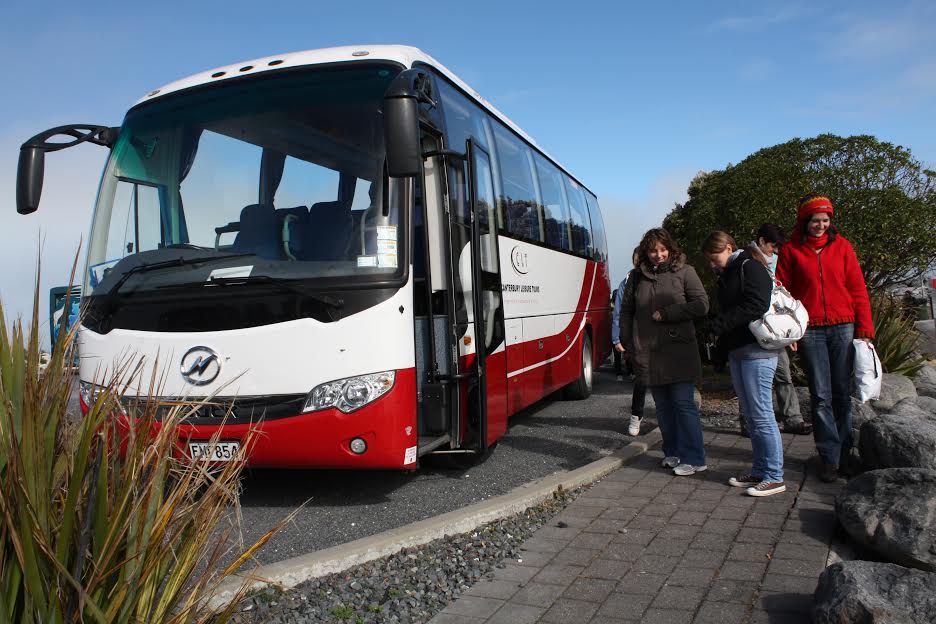
Your feet will do the heavy lifting on a Leisure Tours journey. From walking across boardwalks in thermal reserves to exploring rugged coastal tracks, your footwear can make or break your trip.
+-------------------+----------------------------+----------------------------+
| Footwear Type     | Best Used For              | Key Features to Look For   |
+-------------------+----------------------------+----------------------------+
| Hiking Boots/Shoes| Alpine walks, uneven tracks| Gore-Tex lining, deep lugs |
+-------------------+----------------------------+----------------------------+
| Quality Sneakers  | City tours, gentle paths   | Cushioned sole, breathable |
+-------------------+----------------------------+----------------------------+
| Merino Socks      | All activities             | Reinforced heel, no-blister|
+-------------------+----------------------------+----------------------------+
Choosing the Right Boots
You don’t necessarily need heavy, high-top mountaineering boots unless you plan on serious multi-day backcountry tramping. A sturdy pair of low-cut trail shoes or mid-ankle hiking boots with a deep Vibram tread will provide excellent traction on gravelly or wet paths. Crucial Tip: Break them in at least a month before your departure date to avoid debilitating blisters on day one.
3. Tech, Gadgets, and Essential Accessories
Capturing the rugged beauty of New Zealand requires the right gear, but staying connected and powered safely is equally important.
- The Right Plug Adapter: New Zealand uses Type I plugs (two flat, angled pins forming an inverted ‘V’, often with a grounding pin). The voltage is $230\text{V}$ at $50\text{Hz}$. Bring a universal adapter with built-in USB ports to streamline overnight charging.
- High-Capacity Power Bank: Long days capturing video of dolphins in Kaikōura or tracking the TranzAlpine route will drain phone batteries quickly. A $10,000\text{mAh}$ to $20,000\text{mAh}$ external power bank keeps your mapping apps and cameras live.
- Polarized Sunglasses & Wide-Brimmed Hat: Because of thin air and low pollution levels, the UV rays in New Zealand are exceptionally harsh. Polarized lenses protect your eyes and cut through water glare, revealing the deep blues and greens of hidden lakes.
4. Biosecurity and Environmental Responsibility
New Zealand takes the protection of its unique, isolated ecosystem incredibly seriously. When you land, you must pass through stringent biosecurity screenings.
Biosecurity Warning: Any outdoor gear—including hiking boots, tents, trekking poles, and camera tripods—must be entirely free of dirt, seeds, and organic matter. Scrub your footwear thoroughly before packing it. Declaring outdoor equipment on your arrival card is mandatory. Failing to declare soiled items can lead to instant fines or confiscation.
Eco-Friendly Toiletries
To keep New Zealand’s waterways crystal clear, pack reef-safe, biodegradable sunscreens and insect repellents. The local sandflies (particularly on the West Coast and parts of Fiordland) are persistent; choose an insect repellent with an effective active ingredient like Picaridin, which is less harmful to synthetic gear and textiles than traditional DEET.
Conclusion: Ready for the Track
By organizing your suitcase around modular layers, dependable footwear, and robust environmental protections, you ensure that no sudden weather shift or strict border protocol stands between you and your adventure. Pack light, invest in quality over quantity, and let us handle the logistics while you explore the unparalleled wonders of New Zealand.